
The Quiet Miracle of the Living Pint
British cask ale has long carried an unfair reputation beyond these shores as something flat, warm, and vaguely underwhelming. Properly served, it is none of those things. A well-kept pint arrives at cellar temperature, not lukewarm, with a gentle natural sparkle, a clear expression of malt and hops, and a freshness that changes subtly as the glass warms. For anyone who appreciates the character of a traditional pub, understanding that difference adds another layer of pleasure to the visit. A reliable guide to cask-conditioned beer explains why the drink is regarded as a living product rather than simply a keg beer poured by a different method.
Cask ale is unpasteurised and unfiltered, retaining yeast so that a secondary fermentation can take place inside the cask. The beer therefore continues to mature after leaving the brewery, under the watchful care of the publican or cellarman. The cellar becomes a kind of secondary craft brewery, where stillaging, venting, temperature, cleanliness, and timing all influence the final measure. Learn to read the glass and assess the first sip, and you gain more than a way to identify faults. You gain the confidence to recognise genuine cellarmanship and to support the pubs that keep this quietly demanding tradition alive.
The Cellar Discipline Behind Every Flawless Measure
A cask does not simply arrive at the pub ready to pour. It must be stillaged, allowing the vessel to rest in the correct position while yeast and sediment settle. The cellar team then manages the cask”s pressure by venting it with a soft spile. As conditioning progresses, the soft peg may be replaced by a harder one, retaining sufficient carbon dioxide to keep the beer lively without making it aggressively fizzy. Residual yeast converts remaining sugars into alcohol and carbon dioxide, while finings may help proteins and yeast settle so the beer becomes bright. Conditioning can take anything from roughly a day to more than two weeks, depending on the beer, and stronger ales may mature for considerably longer.
Temperature is just as important as patience. Most brewers recommend dispensing cask ale between 11°C and 13°C, a range that preserves aroma while keeping the drink refreshing. Cask Marque”s temperature guidance recognises a slightly broader audited range of 10°C to 14°C, but the principle remains straightforward. Too cold and the beer”s malt, hop fragrance, and subtle fermentation character become muted. Too warm and alcohol, sweetness, and unwanted aromas can dominate. A well-run cellar is cool, steady, and protected from the dramatic fluctuations that can unsettle a cask.
Hygiene is the less glamorous part of the craft, but it is among the most important. Dispense lines, nozzles, and connectors need a disciplined cleaning routine because warm, unpasteurised beer provides an inviting environment for bacteria and wild yeast. A fixed seven-day habit is useful only when the cleaning itself is thorough, and venues with slow turnover may need particular attention between cleans. Freshly broached casks should normally be turned over within three to four days. Once oxygen enters through service, delicate hop aromas begin to fade and the beer can lose its freshness, even if it remains technically drinkable.
- Stillage the cask securely and allow sediment to settle before service.
- Manage venting carefully so the beer remains lively without becoming over-carbonated.
- Keep the cellar close to the recommended 11°C to 13°C range.
- Clean lines, taps, and dispense equipment thoroughly and regularly.
- Monitor turnover so a broached cask is not left languishing beyond its best.
Reading the Glass through Clarity and Foam
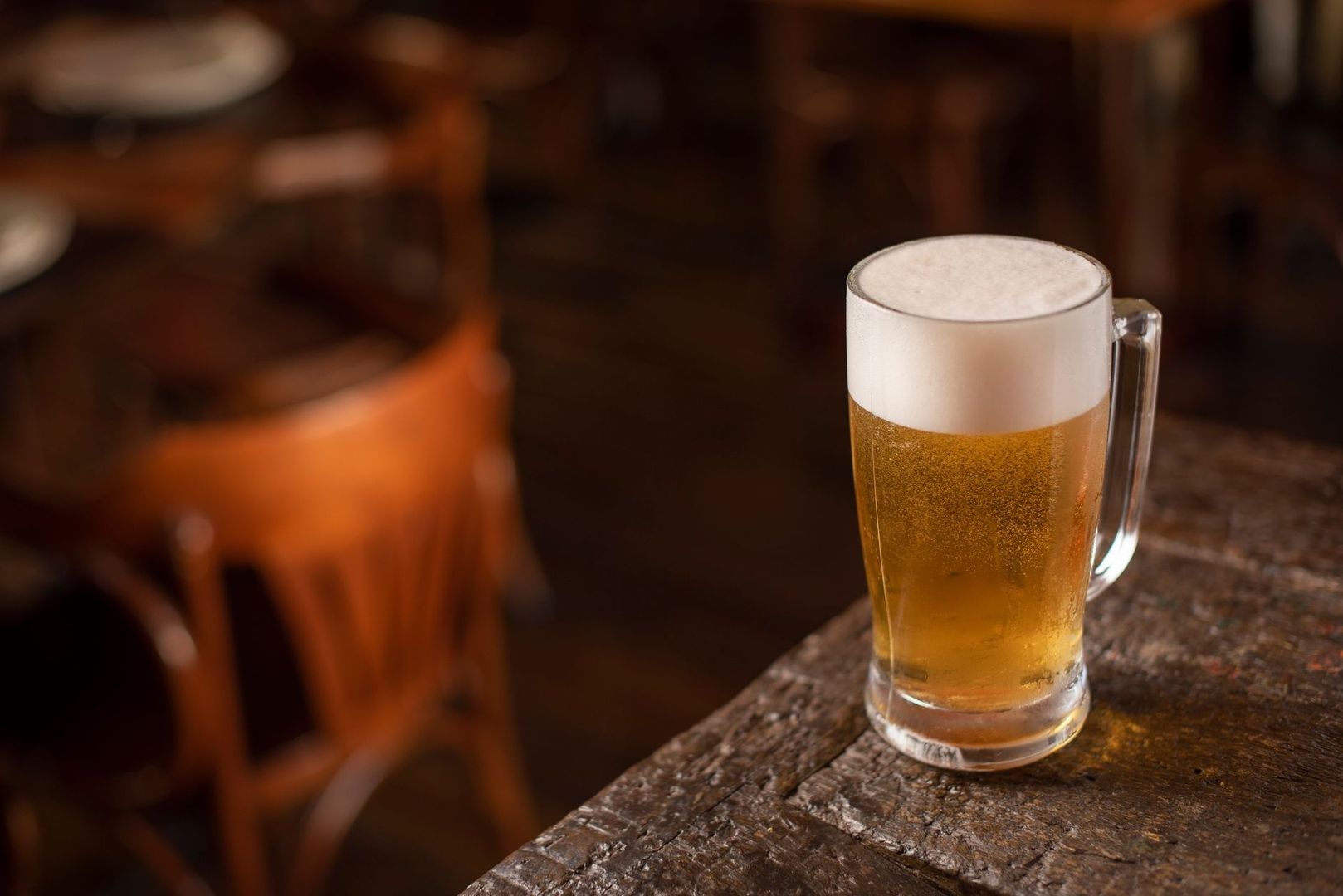
The first visual assessment should be made with a little judgement rather than a rigid rule. Many traditional cask ales are expected to be bright, particularly after the yeast has settled and the cask has been properly conditioned. Yet modern dry-hopped beers may intentionally carry a light haze, created by hop compounds and proteins rather than by poor handling. The useful question is whether the appearance looks purposeful and stable. A dull, greyish cloudiness, particles drifting unpredictably, or a beer that seems to change dramatically from one pint to the next may suggest unsettled yeast, bacterial activity, or chill haze.
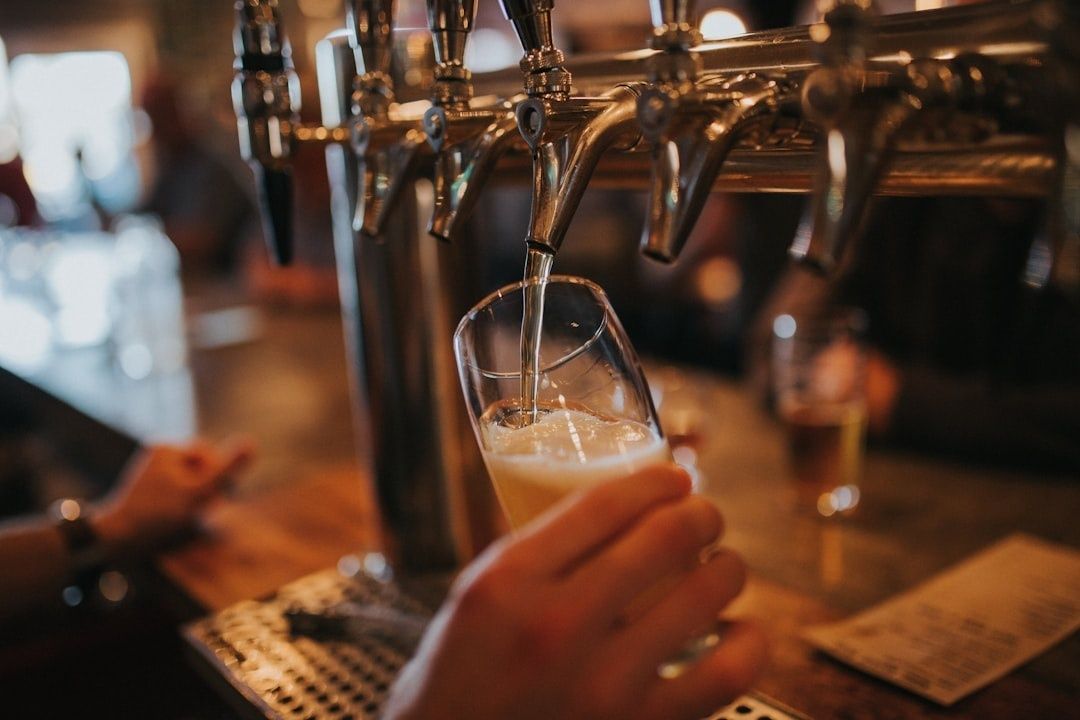
Foam offers another set of clues. A clean glass allows the head to form evenly and remain attractive rather than collapsing into irregular patches. Dense, creamy foam and neat lacing down the sides can indicate sound conditioning, effective dispense, and spotless glassware. The traditional sparkler, fitted to some beer engines, forces the ale through small openings and creates a tight, smooth head. It is particularly associated with northern preferences. Southern pours are more often served without a sparkler, producing a looser head that may allow more hop aroma to rise directly from the liquid. Neither approach is automatically superior. The right choice depends on the beer”s character and the regional tradition being followed.
| What to observe | Well-kept cask | Possible warning sign |
|---|---|---|
| Clarity | Bright and consistent, or deliberately hazy with a fresh appearance | Dull cloudiness, floating debris, or unstable haze |
| Head | Even, creamy, and proportionate to the pour | Rapid collapse, large bubbles, or an excessive blanket of foam |
| Lacing | Fine, attractive trails remaining on the glass | Patchy residue or almost no adhesion on clean-looking beer |
| Aroma | Fresh malt, gentle hop fragrance, and clean fermentation notes | Vinegar, damp cardboard, sourness, or harsh solvent-like aromas |
| Texture | Soft, rounded, and gently lively | Flat, prickly, slick, astringent, or unexpectedly thin |
Foam should not be judged by volume alone. A sparkler can produce a substantial head, which may reduce the apparent liquid volume and release some dissolved carbon dioxide. Supporters value the resulting creamy texture and smoother, sometimes sweeter impression; opponents prefer a more open pour that carries hop aroma in the body of the beer. The important point for a discerning drinker is consistency. A pub that understands its beers will know which casks suit a sparkler, how much pressure to use, and how the chosen presentation supports the intended drinking experience.
Detecting Common Flaws in a Poorly Handled Pour
Not every unusual flavour is a fault. Some ales are deliberately tart, heavily dry-hopped, smoky, or phenolic. Fault detection depends on recognising whether the flavour belongs to the beer”s intended style and whether it appears cleanly. Diacetyl, for example, can present as butter, butterscotch, or a slick coating on the tongue. A very small amount may be acceptable in certain traditional styles, but a pronounced buttery character can point to premature service or fermentation and cellar problems. It should not be confused with the rounded caramel notes of a malt-rich ale.
Oxidation is another familiar enemy. When a cask sits broached for too long, oxygen can flatten the hop profile and create stale, papery, or cardboard-like flavours. Neglected dispense equipment may introduce more serious problems, including sourness, vinegar notes, medicinal phenolics, or an aggressive wild-yeast character. Because cask ale is neither filtered nor pasteurised, cleanliness is essential from the cask to the hand pump. Guidance on beer off flavours, including the relationship between oxidation, diacetyl, bacterial sourness, and phenolic taint, can be found in this practical off-flavour troubleshooting guide.
- Aroma: Hold the glass briefly beneath the nose and look for fresh malt, hops, fruit, or spice. Sour vinegar, damp paper, butter, or solvent notes deserve attention.
- Brightness: Check whether the beer looks coherent and purposeful. A style-appropriate haze can be attractive, while grey instability or sediment in suspension may indicate poor settling.
- Mouthfeel: Notice the natural softness and gentle life of the beer. Excessive slickness, harsh prickliness, astringency, or an empty flatness can reveal trouble.
- Aftertaste: A good pint leaves clean malt, hop bitterness, or a measured roast note. Lingering vinegar, cardboard, medicinal flavours, or unpleasant sourness should not be dismissed.
The first sip should be treated as a check, not a challenge. Cask ale can show more nuance than a chilled lager, and it may open up as the temperature rises slightly in the glass. Give a promising pint a moment, but do not feel obliged to finish one that is clearly infected or oxidised. A pub committed to good beer will usually welcome a calm, specific observation, because an off pint is often a signal that a cask or line needs attention before another guest orders from it.
Championing Good Pubs and Handling the Off Pint with Grace
If a pint tastes sour in a way the style does not suggest, smells of vinegar, or carries unmistakable stale cardboard, raise the matter politely and promptly. A simple explanation such as “This seems unusually sour” or “Could you check this cask, please?” is more useful than declaring the beer undrinkable from across the bar. The bar team can taste the pint, inspect the line, or offer another cask. Good service is not about pretending every pour is perfect. It is about responding sensibly when a living product falls outside its intended character.
Patrons also contribute to cask culture by noticing the signs of care before ordering. Look for active pump turnover, clean and current pump clips, tidy glassware, and staff who can explain what is on hand. A short conversation about which cask is freshest can reveal more than a long list of awards. Where a sparkler is used, ask whether it suits the ale; where a beer is hazy by design, the team should be able to say why. Publicans, cellar keepers, and knowledgeable guests all have a part in sustaining the tradition described in resources such as the Oxford Companion to Beer, where conditioning is understood as a process managed from racking through dispensing. Ordering a half first is a considerate way to explore an unfamiliar cask, while rewarding a pub that handles it beautifully.
Your Next Great Pint Awaits at the Bar
Cask ale is one of Britain”s most distinctive forms of living culinary heritage. Its character is shaped not only by grain, hops, yeast, and water, but also by the quiet daily work carried out below the bar. The right temperature, a settled cask, clean lines, careful venting, and timely turnover transform a fermenting vessel into a pint with freshness, texture, and place. What may appear to be a simple hand-pulled drink is, in truth, the final expression of a chain of careful decisions.
Trust the senses without becoming severe. Look for purposeful clarity, attractive foam, fresh aroma, a soft natural texture, and a clean finish. If a pint is exceptional, say so. If it is plainly flawed, mention it courteously and give the pub an opportunity to put matters right. Each informed choice helps distinguish genuine cellarmanship from mere nostalgia, and each well-kept pint rewards the people who maintain this tradition. At the best British pubs, the next great measure is not a matter of luck. It is waiting in a properly managed cellar, ready to be drawn with care.