

Welcome to your new digital lobby
Think of the modern company intranet much like the foyer of a well-appointed inn. The moment a guest steps through the door, everything should feel considered and welcoming, from the warmth of the greeting to the ease of finding their way. A truly good intranet in 2026 works the same way. It should make every employee, whether they are settled at a desk or moving between shifts, feel immediately at home, oriented, and cared for.
The days of the intranet as a dusty digital cupboard, where documents were filed and rarely revisited, are firmly behind us. Today’s platform must be a living, breathing hub that draws people in and connects them. To find the right fit, conducting a thorough platform Comparison for intranets can help you evaluate how different solutions serve remote workers, hybrid teams, and frontline staff, offering each of them a warm and intuitive space that reflects the culture of the organisation itself. When it works well, it becomes the trusted heart of the working day.

Yet with contenders such as Omnia, Unily, LumApps, Simpplr, and Staffbase all vying for attention, the choice can feel daunting. The secret is not to be dazzled by the longest list of features. Rather, the right decision depends on understanding your own internal culture and technical landscape, then finding the platform that complements them most naturally. This guide is here to help you do exactly that, calmly and with confidence.
Finding the right fit for your unique workforce
Exceptional hospitality always begins with knowing your guests. In the context of a digital workplace, that means understanding your employees and the daily rhythms of their work. Before you weigh a single feature, take time to picture how people actually move through their day. Where do they go first for information? How do they prefer to communicate? A platform that suits a quiet office of analysts may feel entirely wrong for a busy team spread across warehouses, shop floors, or care homes.
There is a critical divide worth recognising here. On one side sit desk-based knowledge workers, deeply embedded in Microsoft 365 or Google Workspace, who expect their tools to talk to one another effortlessly. On the other are mobile frontline staff, who may have no corporate email at all and simply need quick, reliable access from a phone in their pocket. As Microsoft’s own guidance on choosing intranet software suggests, the wisest approach is to identify the outcomes that matter most and then work backwards from those goals.
Before you get distracted by flashy demonstrations, map out your core business needs and your budget realities. When evaluating your digital workplace needs, conducting a thorough platform comparison ensures you select a system that genuinely serves your staff rather than one that simply looks impressive on paper. A few practical questions will steer you well:
- Which productivity ecosystem does your organisation already live in?
- How many of your people work away from a desk?
- Is your priority two-way communication, deep collaboration, or a trusted single source of truth?
- What budget, realistically, can you sustain over several years rather than just at launch?
Exploring the enterprise heavyweights
Among the premium options, Omnia, Unily, and LumApps each offer a polished, well-run digital environment, though each has its own distinct character. Choosing between them is rather like selecting the right venue for an important gathering. The finest choice depends entirely on who is attending and what atmosphere you wish to create.
Omnia earns its strong reputation through seamless integration within the Microsoft ecosystem, delivering outstanding performance and intuitive governance that keeps the whole experience tidy and dependable. For organisations already committed to Microsoft 365, it feels like a natural extension of familiar surroundings. Unily, by contrast, shines as a deeply customisable, enterprise-grade experience built for complex multinational organisations that demand flexibility across many regions and languages. Its guidance on enterprise alternatives to SharePoint illustrates how purpose-built platforms can move beyond the limitations of a default deployment, offering richer personalisation and two-way feedback.
LumApps completes this trio with its natural affinity for Google Workspace, making it an elegant fit for organisations rooted in that ecosystem. It offers strong capabilities for tailored corporate communications, allowing messages to be shaped thoughtfully for different audiences. The key, as ever, is alignment. A platform that suits your existing technical foundations will always feel more comfortable than one that fights against it.
| Platform | Best ecosystem fit | Ideal for | Standout strength |
|---|---|---|---|
| Omnia | Microsoft 365 | Medium to large enterprises | Intuitive governance and performance |
| Unily | Microsoft 365 and beyond | Complex multinationals | Deep customisation at scale |
| LumApps | Google Workspace | Communication-led organisations | Tailored corporate messaging |
Prioritising employee engagement and communication
Not every organisation leads with technical integration. For many, the pressing need is to make people feel connected, informed, and genuinely valued. This is where platforms such as Simpplr and Staffbase come into their own, treating internal communications with something close to white-glove service. They understand that a message only matters if it actually reaches the right person at the right moment.
Simpplr takes a highly polished, AI-driven approach that behaves almost like a dedicated digital concierge, quietly ensuring that content finds its way to the people who need it most. This attentiveness matters more than ever. According to Gallup’s State of the Global Workplace 2025 report, employee engagement in the United States has fallen to its lowest point since 2014, with just 31% engaged and 17% actively disengaged. Staffbase, meanwhile, brings undeniable strength in reaching frontline workers through an exceptional mobile-first experience, meeting people where they truly are.
Both platforms address the urgent challenge of employee disconnect by making communication feel personal and relevant rather than broadcast and forgotten. The features that reliably win people over include:
- Personalised smart feeds that surface what matters to each individual
- Mobile apps built for staff without a desk or corporate email
- Branded, governed push channels that can significantly increase news reach
- Recognition tools and open avenues for employee voice
Navigating rollout realities and governance
Even the finest venue requires excellent management behind the scenes, and an intranet is no different. A beautiful platform will quickly lose its charm if nobody tends to it. Implementation is where good intentions meet daily reality, and it pays to be honest about the resources required for ongoing content curation and keeping the digital space tidy and current.
The hidden trade-off of intranet adoption is that clutter accumulates quietly. Without robust governance, an intranet can slide from a welcoming lobby into a crowded storeroom of outdated pages. Independent specialists such as ClearBox Consulting rightly treat the intranet as a business-critical system, warning that a neglected or under-supported platform simply will not deliver the outcomes you hoped for. Strong governance, with clear ownership and lifecycle controls, is what keeps the experience consistently excellent.
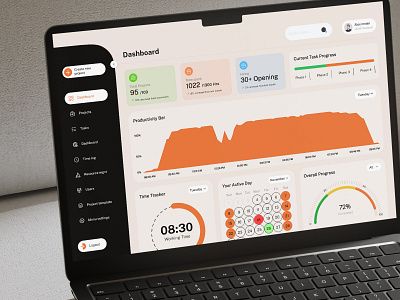
A structured approach helps secure both early adoption and long-term success:
- Define clear business goals and the measures that will show progress.
- Involve stakeholders across IT, HR, communications, and frontline teams.
- Audit your existing content and integrations before migrating anything.
- Assign named owners for content areas to keep everything accountable.
- Run a focused pilot, gather feedback, then roll out in phases.
- Review analytics regularly and prune content to keep the space fresh.
Take your next steps with confidence
Choosing an intranet is, at heart, like selecting the right host for your unique company culture. The finest option is not necessarily the one with the grandest feature list, but the one that welcomes every member of your team with the same warmth, whether they arrive from a desk, a phone, or the middle of a busy shift. Balance seamless technical integration with an inviting, accessible experience, and you will have chosen well.
When the time comes to look more closely, resist the pull of generic vendor pitches. Instead, book thoughtful, tailored demonstrations that reflect your real working scenarios, and keep your specific business outcomes firmly in view throughout. Approach the decision with the same care a good host brings to preparing for valued guests, and your organisation will find a digital home that people are genuinely glad to return to, day after day.