
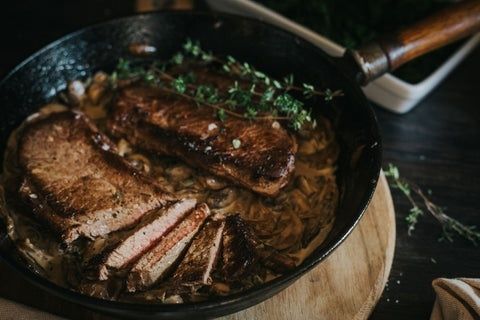
Embracing the Deep Flavours of the British Countryside
As autumn draws in and winter settles across the British countryside, pub menus begin to reflect the landscape beyond the windows. Game arrives alongside shorter days, woodsmoke, and the welcome glow of a properly tended fire. Venison, pheasant, mallard, and other seasonal offerings bring a sense of occasion to the tavern table, particularly when served with a well-made gravy, earthy vegetables, and a pint of traditional ale.
There is no need to approach game with suspicion. The old idea that wild meat must be aggressively “gamey” tells only part of the story, and often an outdated one. Much depends on the species, its diet, the hanging and preparation, and the skill of the kitchen. Properly cooked, venison can be clean and finely flavoured, pheasant can be delicate and gently nutty, while duck offers richness that is balanced beautifully by fruit, bitter greens, or a sharp relish. For diners seeking food with a strong connection to place and season, responsibly sourced wild game is one of the most distinctive choices available.
Understanding the Flavour Profiles from Field to Fork
Wild animals live differently from intensively farmed livestock, and that difference can be tasted. Active muscles generally produce firmer, leaner meat, while natural forage contributes subtle variations in aroma and flavour. Venison is typically lean, dark, and richly savoury, with a texture that rewards careful cooking. Mallard and other wild duck have a fuller, more pronounced flavour because of their dark meat and natural fat, particularly when the skin is rendered until crisp. Pheasant is lighter and more refined, with a mild woodland character that can be lost if overcooked.
The timing of the season matters as much as the cooking. Availability varies according to species, region, legislation, weather, and supply, so a pub menu should always be treated as a reflection of what is currently available rather than a fixed calendar. Scotland”s seasonal guidance offers a useful wider view of the changing larder, including autumn produce and traditional combinations such as grouse with wild mushrooms and vegetables. Diners can consult Scotland’s Seasonal Food Calendar when considering how seasonal ingredients move from summer abundance into the richer flavours of autumn and winter.
| Game | Typical character | Approachable pub preparation |
|---|---|---|
| Venison | Lean, dark, savoury, and gently earthy | Slow braise, steak, casserole, or rich pie |
| Mallard and wild duck | Rich, deep, and often more robust than domestic duck | Roasted breast, confit-style leg, or fruit-accented casserole |
| Pheasant | Delicate, lightly nutty, and relatively mild | Roast bird, pie, pot roast, or creamy casserole |
A good seasonal menu may change gradually rather than all at once. Early autumn can bring lighter preparations and game birds, while colder weather naturally favours braises, pies, and casseroles. Root vegetables, mushrooms, apples, berries, and preserved fruits are valuable partners because they add sweetness, acidity, or woodland depth without masking the meat. The result should feel generous and balanced, not like a test of endurance for adventurous diners.
Classic Kitchen Craft in Traditional Pub Pantries
Traditional pub cooking is particularly well suited to game because its strongest techniques are patient rather than showy. Tougher cuts contain connective tissue that softens over time, making slow braising an excellent choice for venison shoulder, shank, or mixed game casserole. The meat is usually browned first, then cooked gently with stock, onions, herbs, and perhaps dark ale or red wine. Done well, the finished dish is tender but not watery, with a sauce that carries the savoury character of the meat through every mouthful.
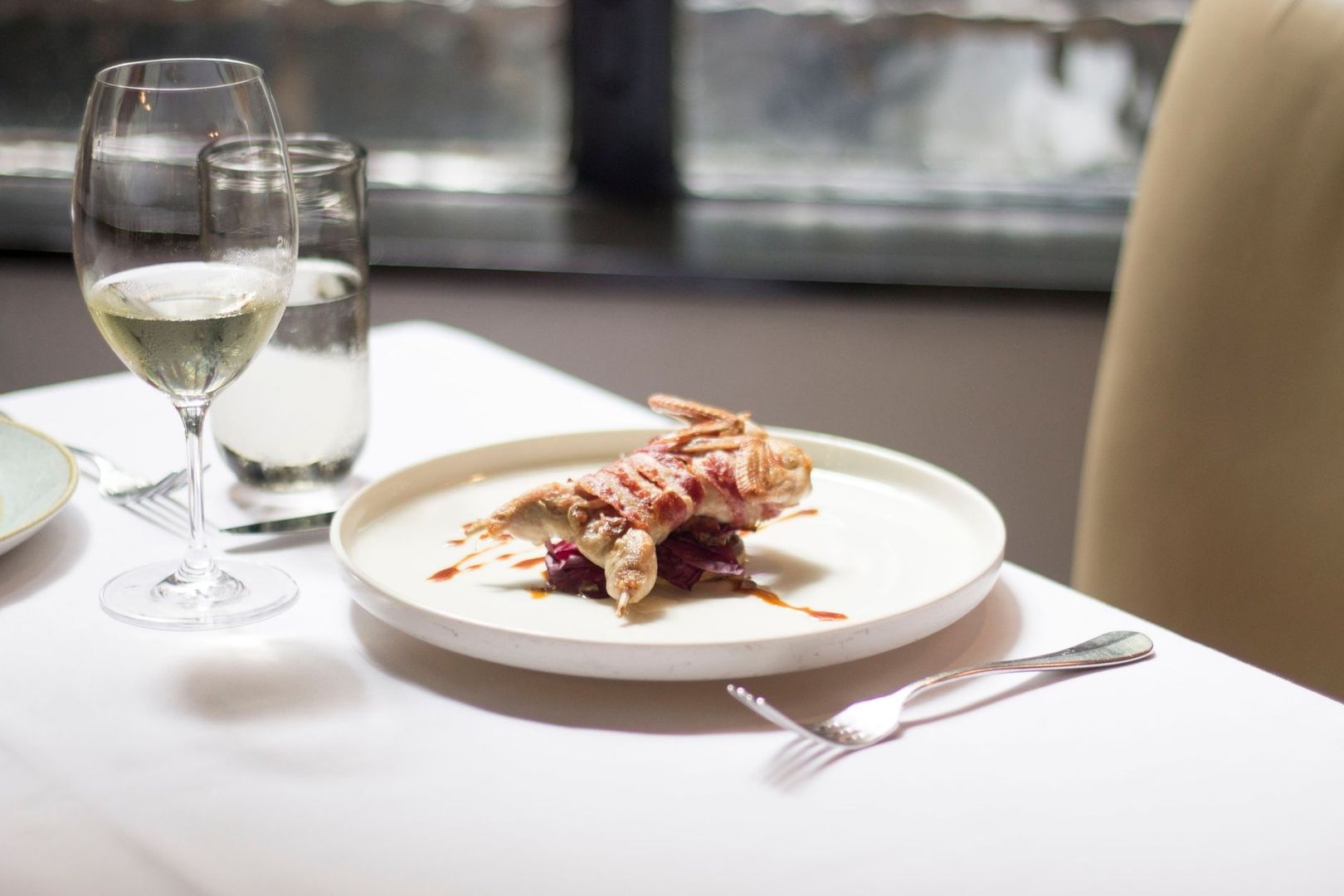
Game birds require a different form of care. Their meat is lean, and long exposure to high heat can make it dry. Roasting a pheasant with bacon or streaky pancetta is a long-established practical method, as the fat helps protect the breast while adding savoury depth. Resting the bird before carving is equally important. In a pub kitchen, the same principle may appear in a pot roast, a pie filling, or a casserole where the bird is surrounded by stock and seasonal vegetables.
Behind these dishes sits a supply chain that is often more local and more vulnerable than diners realise. Rural pubs depend on reliable access for producers, staff, deliveries, and guests. The experience at the table can be affected by roads, weather, and the condition of coastal infrastructure as much as by the kitchen itself. The disruption caused by the damaged A379 between Torcross and Slapton illustrates the wider issue; Collapsed coastal road in Torcross is ‘catastrophic’ to village captures the local impact. The BBC report on the collapsed coastal road described severe consequences for residents, tourism, emergency access, and local businesses, including a major fall in trade across South Hams hospitality venues such as the Start Bay Inn in Torcross. Supporting country pubs therefore also means recognising the importance of the communities and connections that keep them supplied.
- Slow braising: Best for tougher cuts, with low heat and enough liquid to preserve tenderness.
- Pot roasting: A useful approach for whole birds, combining gentle steam with concentrated roasting flavour.
- Bacon wrapping: Particularly suitable for lean pheasant breasts, helping retain moisture during roasting.
- Game pie: A practical way to combine several cuts with a rich sauce and a protective pastry crust.
The Perfect Fireside Pint and Classic Sides
Game and ale share a natural affinity because both can carry malt, toast, bitterness, and gentle sweetness. A malt-forward bitter is a reliable companion to venison stew or a rich game pie, particularly when the dish includes onions, mushrooms, or a dark gravy. The carbonation refreshes the palate, while a moderate bitterness prevents the meal from feeling heavy. Duck and mallard can also work with a pale ale or a dry cider, especially when the plate includes apple, redcurrant, or another sharp fruit element.
Pairing should always take the full plate into account. Roasted winter roots bring caramelised sweetness, buttered cavolo nero supplies mineral bitterness, and braised red cabbage adds acidity and spice. Those sides can change the most suitable drink as much as the meat itself. A crisp pale ale can lift a richly sauced bird, a darker malt-led ale can settle comfortably beside venison, and a dry farmhouse-style beer can cut through a substantial pie. Personal preference remains important, but the broad principle is simple: richer preparations can take a stronger drink, while delicate birds benefit from freshness and restraint.
- Venison casserole: Try a traditional bitter, amber ale, or a dry stout if the gravy is especially deep and savoury.
- Roast pheasant: Choose a balanced bitter, Vienna-style lager, or a lightly spiced wheat beer.
- Roast mallard: Look for a pale ale, dry cider, or a fruit-forward ale that can stand up to the bird”s richness.
- Game pie: A darker ale or malty brown beer works well with pastry, gravy, and root vegetables.
A Beginner Guide to Ordering Game with Confidence
The easiest way to order game is to ask a straightforward question. A good member of staff should be able to explain where the meat comes from, which cut is being used, and whether the dish is roasted, braised, or baked. Provenance may vary from a named local supplier to a broader regional source, and honest information is more useful than vague claims about locality. Asking about portion size and richness is also sensible, particularly if the menu includes several courses or a substantial side dish.
Menu language can offer helpful clues. “Pot-roasted” usually suggests a tender, moist preparation, while “slow-braised” points towards a cut cooked gently in liquid until it softens. “Game pie” generally means a comforting pastry-topped dish, although the blend of meats may vary. If the description is unclear, ask whether the filling is primarily venison, pheasant, duck, or mixed game. Staff can also advise on sauces and sides, which is useful when choosing between a delicate bird and a more intensely flavoured casserole.
- Ask about the source and cut. Find out whether the dish uses breast, leg, shoulder, or a mixed preparation, and whether the supply is local or regional.
- Ask how it is cooked. This helps set expectations about texture, richness, and whether the dish is suitable for a lighter appetite.
- Check the accompaniments. Fruit sauces, pickles, greens, and root vegetables each alter the balance of the plate.
- Be aware of shot. Small fragments of shot can occasionally remain in traditionally sourced game. It is reasonable to ask whether the kitchen has checked the meat, and to eat carefully.
- Follow ordinary pub etiquette. There is no special ceremony required. Order confidently, take guidance when offered, and mention allergies or dietary requirements before the dish is prepared.
For diners who are uncertain, a pie or braise is often the gentlest introduction because the meat is softened by sauce, pastry, or vegetables. Those who prefer a clearer taste of the ingredient might choose roast pheasant or venison served simply with seasonal sides. Either way, curiosity is more useful than bravado. Game is not intended to be intimidating; it is a traditional ingredient presented at its best when the kitchen and front-of-house team explain it properly.
Pull Up a Bench by the Fire and Settle In
Game season brings together the qualities that make a British pub particularly appealing in the colder months. It celebrates the countryside, rewards careful kitchen work, and gives seasonal produce a place beside a well-kept pint. A venison braise, roast pheasant, or rich game pie is more than a change from familiar pub staples. It is an expression of landscape, supply, technique, and the unhurried pleasure of eating in good company.
Before the season moves on, consider choosing a dish that sits just beyond the familiar. Ask a few practical questions, match the preparation with a suitable ale, and allow the kitchen”s choice of roots, greens, and preserves to complete the picture. With a warm fire nearby and a welcoming table waiting, British game offers an especially satisfying way to settle into autumn and winter hospitality.