
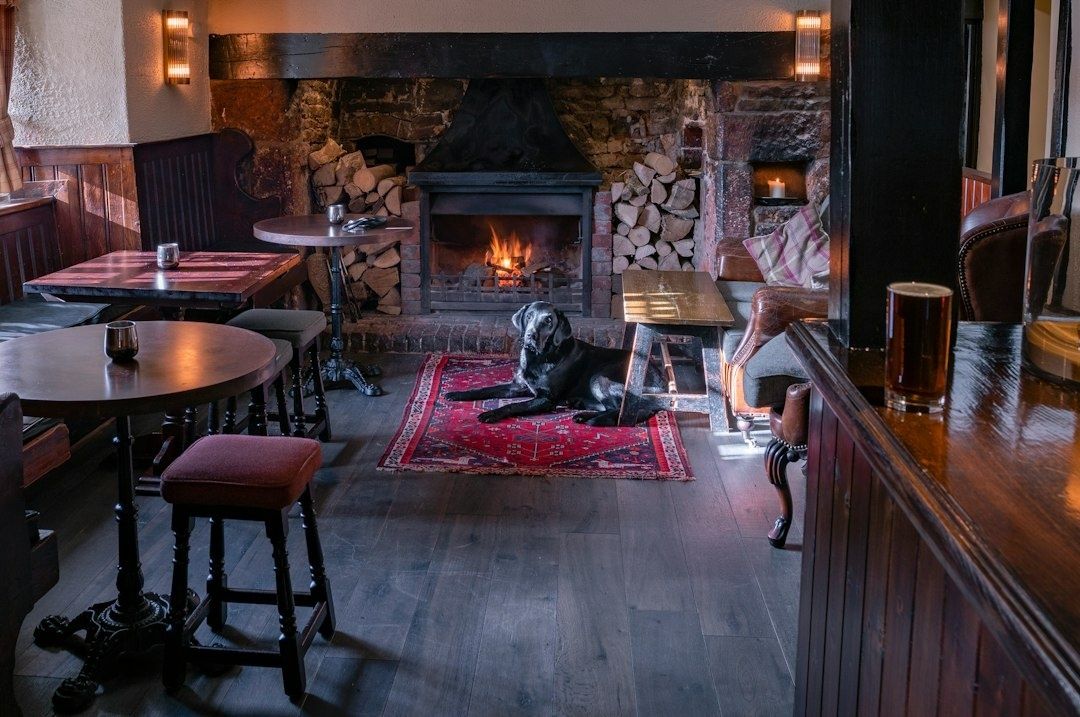
The Timeless Art of the British Inn-to-Trail Escape
A British walking weekend becomes something more satisfying when the route begins and ends at a proper country pub. Instead of treating the inn as a bed for the night beside a predetermined hike, place it at the centre of the plan. The right base offers a warm welcome after wet lanes, a hearty plate at the end of a long day, and the quiet pleasure of discussing tomorrow”s route over a well-kept pint or a pot of tea. A traditional destination such as The Tradesman”s Arms can provide the atmosphere that turns a simple ramble into a complete countryside escape.
This approach also replaces rigid schedules with a more forgiving rhythm. The weather may close a high ridge, a muddy bridleway may add half an hour, or a tempting village church may deserve a closer look. Good planning does not eliminate such diversions. It leaves room for them while protecting the essentials, particularly daylight, food service, transport, and a comfortable return. When those practical details are handled in advance, a damp trek becomes part of the story rather than the reason the weekend went wrong.
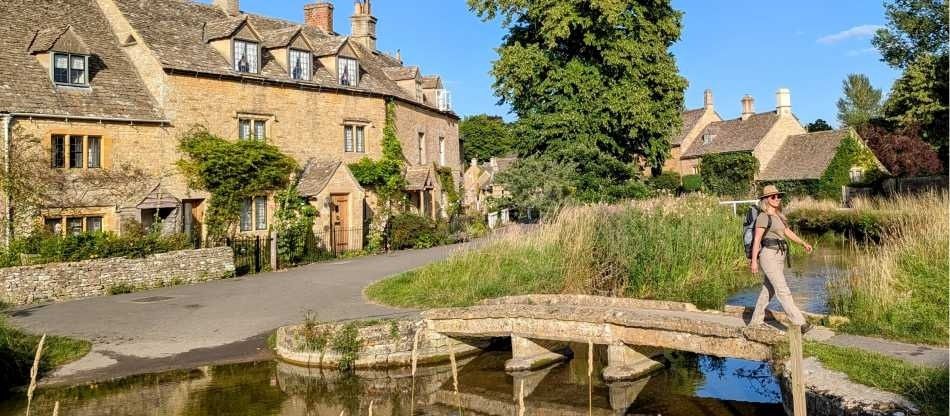
Choosing Your Base Camp with Purpose
The best walking base is not necessarily the most remote or the most picturesque building. It is the place that makes the surrounding landscape easy to enjoy. Before booking, check whether the pub has somewhere secure for boots, coats, and wet clothing. A boot scraper by the entrance is useful, while a proper drying room, heated cupboard, or clearly designated drying area can be invaluable after a day on saturated footpaths. Ask whether guests may return in muddy clothing, and whether there is an alternative entrance for walkers and dogs.
Food service deserves equal attention. Country kitchens often operate within defined lunch and evening windows, especially outside the busiest season. A pub that serves lunch continuously may suit a long-distance route better than one with a short midday sitting. Confirm breakfast arrangements, packed-lunch availability, last orders, and whether a late return can be accommodated. These are small details, but they determine whether the pub feels like a dependable base or merely an attractive stop that closes just when hungry walkers arrive.
Choose terrain that offers more than one option directly from the door. A cloverleaf arrangement is ideal, with a short circular walk for arrival day, a demanding route for Saturday, and a gentler option for Sunday. The South Downs Way demonstrates why this matters: accommodation and meals can require steep detours from the ridge, adding significantly to the advertised distance. The practical guidance in this South Downs Way walking guide is a useful reminder to calculate door-to-door mileage rather than relying only on the official trail distance.
- Can walkers leave a vehicle at the pub while completing a circular route?
- Is there a drying area for boots, waterproofs, and walking poles?
- What time are breakfast, lunch, and dinner served, and when is the kitchen closed?
- Can the pub prepare packed lunches or refill water bottles?
- Are dogs welcome in bedrooms, bar areas, and dining spaces?
- What happens if poor weather makes the planned route unsafe?
It is also worth asking about check-in and departure times. A late arrival after a long drive may clash with a narrow reception window, while an early Sunday checkout can make a leisurely walk impossible. Quiet hours, parking arrangements, luggage storage, and local taxi numbers are similarly useful to establish before travelling. Clear questions show consideration for the business and give you a more realistic picture of the weekend.
Balancing Daylight, Distance, and Kitchen Orders
Walking pace should be estimated conservatively. A fit walker may manage around four kilometres per hour on a firm, level path, but that figure falls quickly on muddy ground, open moorland, steep coastal steps, or routes crowded with stiles. Navigation stops, photographs, livestock gates, and short rests all consume time. In late autumn and winter, plan around available daylight rather than assuming that a route described as five hours in a guidebook will remain comfortable after a delayed start.
Kitchen hours provide a useful framework for the day. If lunch service ends at 2.30 p.m., a waypoint at a village pub should be reached no later than 1.45 p.m., allowing time to find the entrance, remove wet layers, and order without rushing. For a pub-based walk, the meal is not an afterthought. It can be the turning point of the route, offering warmth and nourishment before a shorter afternoon section. Devon”s established pub walks show how varied this format can be, from level coastal terrain around Appledore and Northam Burrows to the wooded Teign Gorge near Fingle Bridge, where the landscape and the pub are planned as one experience.
| Walking pattern | Best use | Planning priority |
|---|---|---|
| Early start and steady morning | Long fell, moorland, or coastal circuit | Reach the lunch waypoint before peak service ends |
| Later start and short morning | Arrival day or winter outing | Choose a route with a reliable afternoon return |
| Pub lunch in the middle | Two-stage village or valley walk | Allow time for ordering, eating, and drying off |
| Long afternoon section | Summer circular route | Check sunset, final gates, and transport connections |
A useful rule is to plan the first half of the day with ambition and the second half with flexibility. If the morning goes well, add a viewpoint or a longer loop. If conditions deteriorate, take the shorter return without sacrificing the evening booking. Linear walks require particular care. A route may end at a railway station, ferry, or bus stop, but a missed connection can turn a pleasant day into an uncomfortable roadside wait. Dartmouth is a good example of a walking area where boats and buses expand the possibilities, including routes that begin in Kingswear and finish elsewhere along the Dart.
The Art of the Mud-to-Snug Transition
Country pubs welcome walkers, but a little care at the threshold protects the atmosphere for everyone. Use the boot scraper before entering, remove the worst of the mud outside, and follow any signs directing walkers to a particular door or area. Wet boots should not be placed on upholstered seating or beside an open fire unless staff have confirmed that it is acceptable. A quick word with the bar team is courteous, particularly when a group arrives with dogs, muddy packs, or dripping waterproofs.
Clothing can be practical without making the evening feel like an extension of the footpath. Choose a lightweight base layer, breathable mid-layer, and waterproof shell for the walk, then pack clean trousers or a simple pair of dark jeans, a fresh shirt or knitwear, and dry socks for the pub. Merino or synthetic layers dry more readily than cotton, while a compact pair of indoor shoes prevents muddy boots from being worn around bedrooms. A small separate bag for wet gear keeps the rest of the luggage dry and makes the transition faster.
- Pause outside the entrance and scrape or brush mud from boots and trouser hems.
- Check where waterproofs, poles, packs, and dog towels should be left.
- Remove outer layers before approaching the bar or dining room, unless staff direct otherwise.
- Order a hot drink or a suitable first refreshment, then allow wet clothing to drain in the designated area.
- Wash hands, change socks, and settle into the bar only once the essential gear is safely stored.
The most comfortable pubs understand that walkers arrive weather-beaten, but they also rely on guests to respect the building. Do not spread maps across a busy dining table, leave grit on a polished floor, or assume that every armchair beside the fire is available. Ask before moving furniture, charging equipment, or drying clothing near a heat source. That modest consideration helps preserve the relaxed, welcoming character that makes a pub stop so rewarding after several hours outdoors.
Curating the Ideal Two-Day Walking Itinerary
Saturday is the day for the principal walk, provided the journey to the pub allows an early start. A fell, ridge, or exposed coastal circuit can fill the morning and afternoon with changing scenery, from high views and open farmland to sheltered woodland and a village approach. Build in a proper lunch rather than relying solely on snacks, and reserve a table for the evening before setting out. A hearty meal is especially welcome after a demanding route, whether that means a seasonal pie, local fish, a substantial vegetarian dish, or a carefully prepared pudding shared beside the fire.
South Devon is particularly well suited to this format. Around Dartmouth, routes can combine harbour views, the River Dart, woodland, coves, and village lanes, while nearby walks extend towards Start Point, Greenway, or the Dart Valley. The practical variety described in this guide to Dartmouth walking routes makes it possible to match the day to the forecast and the group”s confidence. A demanding outing such as a longer coastal traverse should not be treated like a short castle or riverside walk, so distance, terrain, and return transport need checking separately.
Sunday should feel gentler. A riverbank stroll, woodland loop, or short coastal section works well when planned around an unhurried pub roast and a sensible departure time. Leave enough margin for changing, packing, and settling the bill. In autumn, expect slippery leaves, swollen streams, and early darkness. Winter calls for shorter routes, reflective clothing near roads, careful weather checks, and a firm turnaround time. Spring brings longer daylight but can also mean saturated paths, nesting birds, and livestock in fields. Summer offers the widest choice, though popular paths, limited parking, and busy pubs make advance booking more important.
- Autumn: favour woodland and lower-level circuits, and carry a reliable torch.
- Winter: choose routes with clear bail-out points and confirm the final kitchen and transport times.
- Spring: allow extra time for mud, swollen streams, and gates across working farmland.
- Summer: start early, book meals, and avoid assuming that coastal parking will remain available late in the morning.
For every season, keep one alternative route in reserve. A shorter walk is not a failed plan when wind, visibility, or ground conditions change. The strongest itineraries protect the central promise of the weekend: a rewarding day outside followed by a comfortable, well-timed return to good food and genuine hospitality.
Step Out Onto the Trail and Claim Your Hearth
A successful inn-to-trail weekend is built from details that are easy to overlook: a drying place for boots, a kitchen that remains open after a realistic walking day, a route with a dependable return, and clothing that can move from wet lane to warm taproom. These choices align the practical demands of walking with the pleasures of country hospitality. They also leave enough flexibility for weather, wildlife, unexpected viewpoints, and the occasional village detour.
Britain”s countryside is at its most compelling when conditions are changeable. Rain can sharpen the colour of hedgerows, wind can clear a coastal horizon, and a cold afternoon makes a fireside seat feel properly earned. Check the route, pack thoughtfully, book the meal, and set out with a sensible margin. There is considerable satisfaction in lacing up at a village door, following the path beyond the last houses, and knowing that a welcoming hearth is waiting at the end.